

The foreign trade landscape is undergoing a significant transformation. In recent years, technological advances, new international trading platforms, and shifts in the behavior of global buyers have redefined the profile of companies that are able to stand out in international markets.
Today, exporting no longer depends solely on traditional infrastructure or large-scale industrial operations. Companies with strategic positioning, a well-structured digital presence, and the ability to adapt can access international markets with far greater agility.
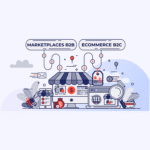
One of the key factors defining the new profile of exporting companies is the strategic use of digital channels. Global marketplaces enable businesses to validate markets, increase international visibility, and establish direct contact with overseas buyers.
Another important factor is the diversification of market-entry strategies. Competitive companies combine indirect exports, international trade shows, digital platforms, and commercial partnerships as part of an integrated global expansion strategy.
Participation in international events also remains a valuable tool for generating business opportunities. Industry trade shows serve as strategic environments for validating products, identifying trends, and building relationships with international buyers.
In addition, companies that stand out in today’s market approach internationalization as a structured project. They invest in market intelligence, proper documentation, and commercial positioning tailored to each target country.
Another defining characteristic is the ability to adapt to the regulatory and cultural requirements of different markets. Strategic flexibility has become an important competitive advantage in today’s international trade.
Exporting in 2026 requires a global perspective, strategic planning, and integration between physical and digital channels. Companies that understand this new dynamic are better positioned to turn international opportunities into sustainable growth and a consistent global presence.
Internationalization is no longer a distant possibility. Today, it is a fundamental part of the strategy for companies seeking to grow beyond their borders.





 Portuguese
 English
 Spanish