
B2C exporting through Amazon in the U.S. is one of the fastest ways to reach end consumers at a global scale. The platform provides traffic, trust, and infrastructure, but success requires preparation. The difference between simply “being on Amazon” and actually “selling on Amazon” lies in strategy: choosing the right business model, adapting the product, setting the right price, optimizing for Amazon SEO, and maintaining continuous account management.
Why Selling on Amazon U.S. Can Accelerate Your Export Growth
Amazon is an ecosystem. When managed effectively, it combines visibility, conversion, logistics, and repeat purchases. For Brazilian brands, this means entering a massive market through an already established sales channel. The challenge, however, is structuring the operation to meet U.S. standards for delivery, content, and customer experience.
Operating Models: FBA or FBM
FBA (Fulfillment by Amazon)
Amazon stores, picks, packs, ships, and handles customer service. In general, it is the most efficient model for scaling because it improves delivery times, customer experience, and competitiveness. The key challenge is planning inventory levels and storage costs effectively.
FBM (Fulfillment by Merchant)
The company, or its logistics operator, manages storage and delivery. This model can make sense for specific products, lean operations, or initial market testing, but execution must be flawless to maintain a strong seller reputation.
Product Preparation: Market Adaptation and Compliance
Before selling, validate:
- Packaging and labeling (language, required information, and applicable standards).
- Dimensions and weight for fulfillment cost calculations.
- Product category and any applicable regulatory requirements.
- Quality and consistency: in B2C, returns and customer reviews can impact the entire operation.
Pricing and Margin: The Most Common Mistake
Many companies set prices “from the inside out” and later discover that their margins have disappeared. When determining the right price, consider:
- Amazon fees (which vary by category)
- International logistics and/or 3PL costs
- Exchange rates and currency fluctuations
- Marketing costs (Amazon Ads)
- Taxes and compliance
- Cost of returns and losses
The recommendation is to create a detailed spreadsheet for each SKU and simulate different scenarios.
Amazon SEO: How Your Product Gets Found
Amazon features a sophisticated search engine within its marketplace. The key factors that matter most include:
- Title with relevant keywords
- Clear, benefit-oriented bullet points
- Consistent Product Description
- Premium images (main image + lifestyle images + detail shots)
- Social proof (reviews and Q&A)
- Sales history and performance (boosted by Ads)
Traction Strategy: How to Gain Momentum Early
For an effective launch:
- Choose a small number of high-potential SKUs instead of trying to list your entire catalog.
- Create a high-quality product listing from the very beginning.
- Use Amazon Ads with a controlled budget and optimize campaigns weekly.
- Monitor conversion rate, CTR, customer acquisition cost, and stockouts.
- Adjust pricing, images, and the value proposition based on data.
Ongoing Operations and Management
Selling on Amazon requires ongoing management: inventory control, replenishment, competitor analysis, performance monitoring, and continuous content optimization. Companies that treat Amazon as a strategic channel can scale. Those that treat it merely as a catalog tend to stagnate.
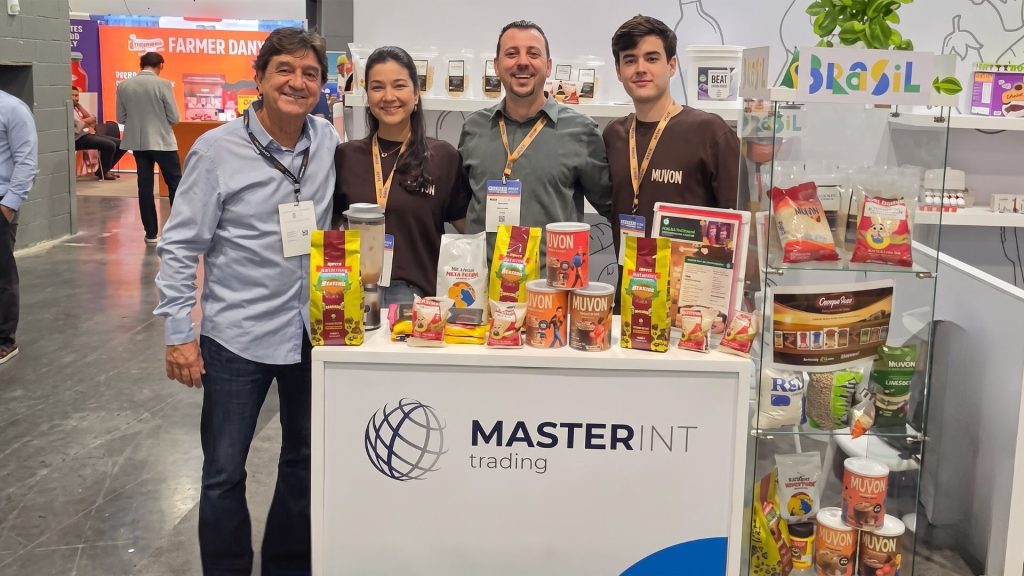
Want to sell in the U.S. with a professional, scalable operation? MASTERINT structures your B2C export strategy on Amazon, from planning to growth.





 Portuguese
 English
 Spanish